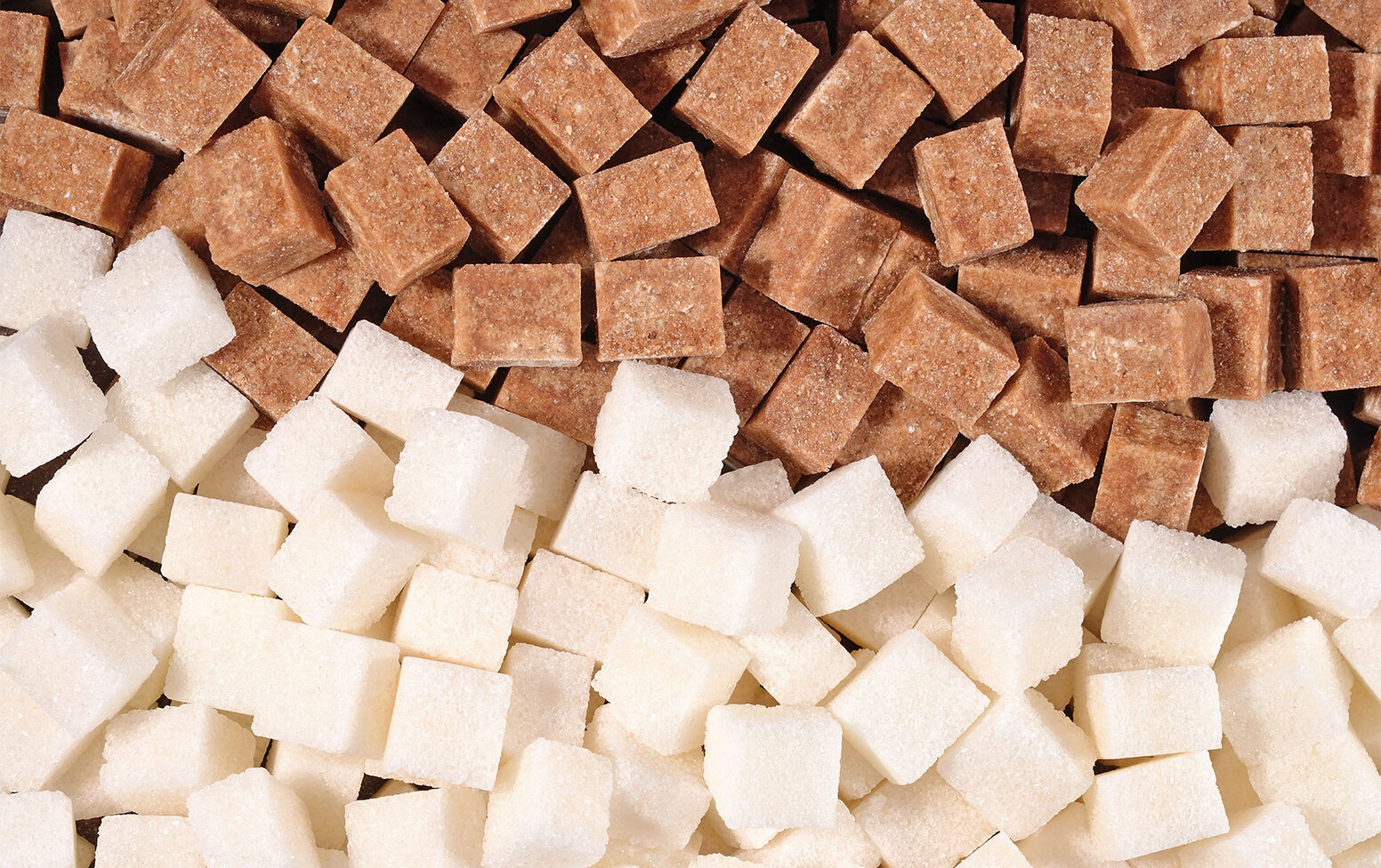
Sugar is part of everyday life. We add it to coffee, use it in desserts, and find it in many processed foods. At first glance, it seems like a simple and ordinary product.
In reality, sugar is much more than a kitchen ingredient. It is also one of the most important agricultural commodities in the world, produced in very large quantities and traded globally.
Each year, global sugar production reaches around 180 to 190 million tonnes. This makes sugar one of the most produced food products worldwide. It is considered a commodity because it is produced according to relatively similar standards and traded internationally. Whether white, raw or brown, sugar constantly moves from producing regions to consuming markets.
🌱 Where does sugar come from?
Almost all the sugar consumed worldwide comes from two plants:
• sugar cane
• sugar beet
Sugar cane accounts for about 80–85% of global production. It grows in tropical and subtropical regions where temperatures are warm and rainfall is high. Major producers include Brazil, India and Thailand, as well as many countries in Africa, Asia and Central America.
Sugar beet grows in more temperate climates and is cultivated mainly in Europe and North America. Together, these two crops supply nearly all the sugar consumed around the world.
🏭 How is sugar produced?
After harvesting, sugar cane and sugar beet must be processed quickly. If too much time passes, their sugar content and quality decline. For this reason, processing plants are usually located close to farming areas.
The plants are crushed or sliced to extract a sweet juice. This juice is then cleaned, heated and concentrated until sugar crystals form.
The level of refining determines the final product:
• white sugar is fully refined and commonly used by households and the food industry;
• brown sugar retains some molasses, or has molasses added back, giving it a darker colour and a richer taste.
Once crystallised, sugar becomes a stable and uniform product, easy to store and transport, making it well suited to international trade.
🚢 A product that travels far
Sugar is often consumed far from where it is produced, which makes logistics a key part of its journey.
Large quantities, especially raw sugar, are shipped in bulk by sea and then transported by rail or road to refineries, food manufacturers or storage facilities.
Because sugar is heavy and traded in large volumes, efficient transport and storage are essential to keep costs under control and ensure a steady supply.
🤝 The role of commodity trading
Commodity trading plays a central role in connecting all these stages. Traders buy sugar from producers and sell it to food manufacturers, wholesalers or public institutions.
They manage contracts, organise transport and coordinate delivery schedules. Thanks to this coordination, sugar can reach consumers throughout the year, despite seasonal harvests and long distances.
📉 Prices can fluctuate
Like all agricultural commodities, sugar prices can fluctuate. Weather conditions, harvest results, transport disruptions, energy prices and changes in consumption all influence the market.
Commodity markets help reduce the impact of these fluctuations and ensure reliable access to a product consumed daily by millions of people.
🇨🇭 Sugar in Switzerland: a strategic product
In Switzerland, sugar is considered a strategic product. Around 50,000 tonnes are held in compulsory reserves, enough to cover around three months of national consumption in the event of major supply disruptions.
This policy highlights how essential sugar is for food production and everyday life.